Can Mold In Air Vents Make You Sick? Understanding the RisksConclusion
Mold is a type of fungus that can grow almost anywhere, including in your air vents. While most molds are not harmful, some types can cause serious health problems. If you suspect that there is mold in your air vents, it is important to take action as soon as possible.
In this article, we will explore the risks associated with mold in air vents and provide you with tips on how to prevent and address mold growth in your home.
What is Mold?
Before we delve into the topic of mold in air vents, let's first understand what mold is. Mold is a type of fungus that grows in damp environments. It reproduces by releasing tiny spores that float through the air and can settle on surfaces, where they can then grow and spread.
Mold can grow on a variety of surfaces, including walls, ceilings, floors, and even in your air vents. Some common types of indoor mold include Aspergillus, Cladosporium, and Stachybotrys chartarum (also known as black mold).
How Does Mold Get into Air Vents?
Mold can enter your air vents in a number of ways. One common way is through moisture. If there is excess moisture in your home, such as from a leak or high humidity, mold can to grow in your air vents.
Another way that mold can get into your air vents is through ventilation systems. If your HVAC system is not properly maintained, mold can grow inside the ducts and air vents.
Once mold has made its way into your air vents, it can spread quickly throughout your home. This can lead to serious health problems if left untreated.
Risks of Mold in Air Vents
The presence of mold in your air vents can pose a number of health risks. Here are some of the most serious risks associated with mold in air vents:
Allergic Reactions
Some people are allergic to mold spores and may experience symptoms such as sneezing, coughing, and itchy eyes when exposed to mold.
Respiratory Problems
Exposure to mold can also cause respiratory problems, especially in people who have asthma or other respiratory conditions. Mold spores can irritate the airways and lead to wheezing, chest tightness, and difficulty breathing.
Flu-Like Symptoms
In some cases, exposure to mold can cause symptoms that resemble the flu, such as fever, headaches, and fatigue.
Infections
Exposure to certain types of mold can also lead to infections, especially in people with weakened immune systems.
While not everyone who is exposed to mold will experience these symptoms, it is important to take mold growth seriously and address it promptly.
How to Prevent Mold in Air Vents
The best way to prevent mold growth in your air vents is to control moisture levels in your home. Here are some tips for preventing mold in air vents:
Control Humidity
Mold thrives in humid environments, so it is important to keep humidity levels in your home under control. You can do this by using a dehumidifier and making sure that your home is properly ventilated.
Fix Leaks Promptly
If you notice any leaks in your home, such as from a pipe or roof, it is important to fix them as soon as possible. Even small leaks can lead to mold growth if left untreated.
Clean Your Air Vents Regularly
Regular cleaning of your air vents can help to prevent mold growth. Make sure to use a HEPA filter vacuum cleaner and wipe down the vents with a damp cloth.
Maintain Your HVAC System
Proper maintenance of your HVAC system is essential for preventing mold growth. Make sure to change your air filters regularly and have your system inspected by a professional at least once a year.
How to Address Mold in Air Vents
If you suspect that there is mold in your air vents, it is important to take action as soon as possible. Here are some steps you can take to address mold in air vents:
Identify the Source of the Mold
The first step in addressing mold in air vents is to identify the source of the mold. This may require a professional inspection.
Remove the Mold
Once you have identified the source of the mold, you will need to remove it. This may require professional help, especially if the mold has spread throughout your home.
Clean Your Air Vents
After the mold has been removed, make sure to clean your air vents thoroughly to prevent further growth.
Frequently Asked Questions
Q: Can mold in air vents cause health problems?
A: Yes, exposure to mold in air vents can cause a number of health problems, including allergic reactions, respiratory problems, flu-like symptoms, and infections.
Q: How do I know if there is mold in my air vents?
A: If you notice a musty or moldy smell coming from your air vents, it may be a sign of mold growth. Other signs include visible mold growth on the vents, walls, or ceilings.
Q: Can I clean mold in air vents myself?
A: It is not recommended to attempt to clean mold in air vents yourself, as this can lead to further spreading of mold spores. Professional help is recommended.
Q: How can I prevent mold growth in my air vents?
A: To prevent mold growth in air vents, it is important to control moisture levels in your home, fix any leaks promptly, clean your air vents regularly, and maintain your HVAC system.
Q: What should I do if I suspect there is mold in my air vents?
A: If you suspect that there is mold in your air vents, it is important to contact a professional for an inspection and removal.
Mold growth in air vents can pose serious health risks, but with proper prevention and prompt action, it can be addressed effectively. By controlling moisture levels in your home, maintaining your HVAC system, and seeking professional help when needed, you can keep your home safe and healthy.
11 Can mold in air vents make you sick Images

How To Clean Furnace And Air Conditioning Ducts At Home Clean Air

Enhance Your Home With Our Mold Remediation Service Air Care Mold

4 Signs Your Home Has Toxic Black Mold How To Get Rid Of It Clean

Openunblock Vents Will Turner Heating And Plumbing Heating And Air

Will An Air Purifier Help With Mold Air Purifier Purifier Molding

Pin On Air Quality Testing

Pin On Indoor Living Tips

Should I Worry About Air Duct Cleaning Duct Cleaning Air Duct Duct
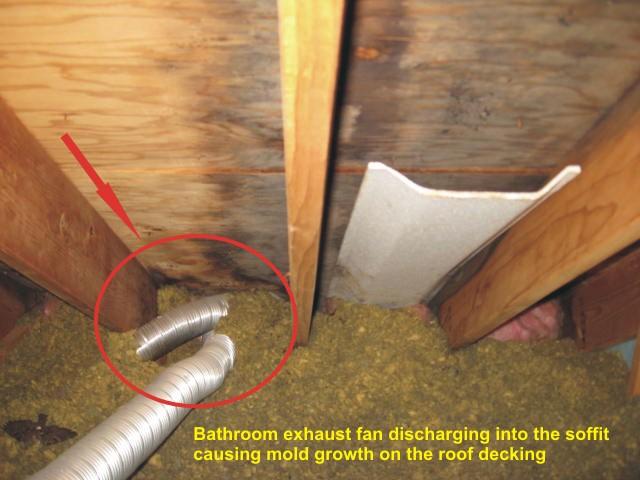
Bathroomventsdischargingintothesoffitairreturningintotheattic

When You Get An Air Conditioning AC Tune Up We Can Inspect For The

Roof Ridge Vent Leak Causes Decay Building Defect Recognition
Post a Comment for "Can Mold In Air Vents Make You Sick? Understanding the RisksConclusion"